Greenside Finance team · Published 13 October 2026
A low doc car loan is usually held up by small mismatches, not by the low doc itself: a licence that doesn't match the application, ABN details that point to a different business, an income declaration that doesn't add up, or a vehicle invoice missing key details. Most of these can be fixed before you apply, so the lender can assess your file properly the first time it reads it.
Low doc means you don't need full business financials or tax returns. The lender relies on your ID, the finance application and your own declaration of your business income, and sometimes an assets and liabilities statement. Greenside Finance is a Perth-based finance broker comparing 40+ lenders, lending Australia-wide, and below is what we see hold low doc files up most often, with how to avoid each one.
For a business vehicle on low doc, lenders usually ask for:
That's the whole list for low doc. If a lender asks for BAS or business bank statements, you're being assessed on a different option called lite doc (also known as easy doc or mid doc). Lite doc is a good option in its own right, but it isn't low doc. Our low doc and lite doc car loans page explains the difference and who each one suits.
| Hold-up | Why it slows things down | How to avoid it |
|---|---|---|
| Your ID doesn't match | The licence has expired, shows an old address, or spells your name differently from the application or the invoice. The lender has to stop and verify. | Check your licence is current and your address is up to date before you apply. Use the same name everywhere. |
| ABN in a different name or entity | You trade through a company, but your ABN history sits with an old sole-trader ABN, or the invoice is made out to the wrong one. | Tell your broker the full history up front. An older sole-trader ABN can often count when you move to a company, but the lender has to be told. |
| ABN or GST too new for low doc | Low doc usually starts at about 2 years of ABN and 1 year of GST registration, and a few lenders offer low doc from 12 months of ABN and 6 months of GST, usually with lower loan limits. Below that, the file has to move to lite doc or a start-up product. | Check your registration dates on ABN Lookup first, so the application starts on the right option. |
| Income declaration that doesn't add up | The income you declare has to be accurate and cover the repayments. A figure that doesn't fit the business or the rest of the application prompts questions. | Declare what the business really earns. Don't round up. If you're unsure of the figure, work it out with your accountant first. |
| Credit file surprises | An unpaid default, an overdue account you'd forgotten, or several recent credit enquiries. | Get your free credit report before you apply, sort out anything wrong or unpaid, and tell us about anything that's on it. |
| Applying with several lenders at once | Each application can leave an enquiry on your credit file, and a cluster of them can make lenders cautious. | Apply once, through one broker, to the lender that fits your profile. |
| Vehicle invoice gaps | No VIN, accessories not itemised, the wrong buyer name, or a quote instead of a tax invoice. | Ask the dealer for a tax invoice in the borrower's name, with the VIN and every accessory listed. |
| Private sale paperwork | Finance still owing on the vehicle, missing seller details, or a vehicle that will be older than the lender allows at the end of the term. | Give us the seller's details early. We run a PPSR check at no cost to you and arrange payout of any finance owing. |
| Settlement items | Many lenders need comprehensive insurance confirmed before they pay the seller, and unsigned documents just sit there. | Line up insurance before pick-up day and sign electronically as soon as the documents arrive. |
Straightforward low doc applications can be decided the same day; others take a day or two, and longer if the lender has questions. Approval always depends on the lender's assessment of your ABN and GST history, your credit file, your declared income and the vehicle. What you control is how complete the file is when it goes in. A file where the licence, ABN, application and invoice all line up usually moves through without back-and-forth.
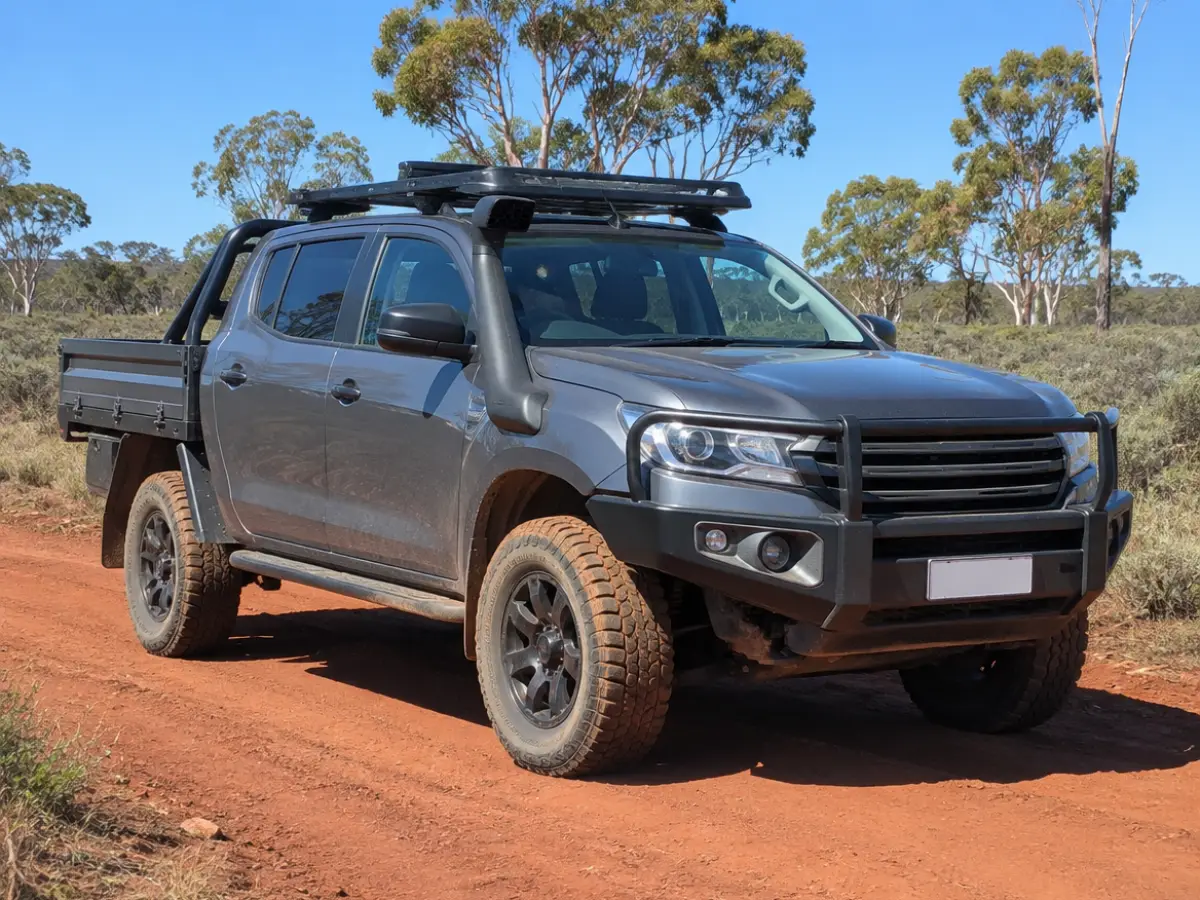
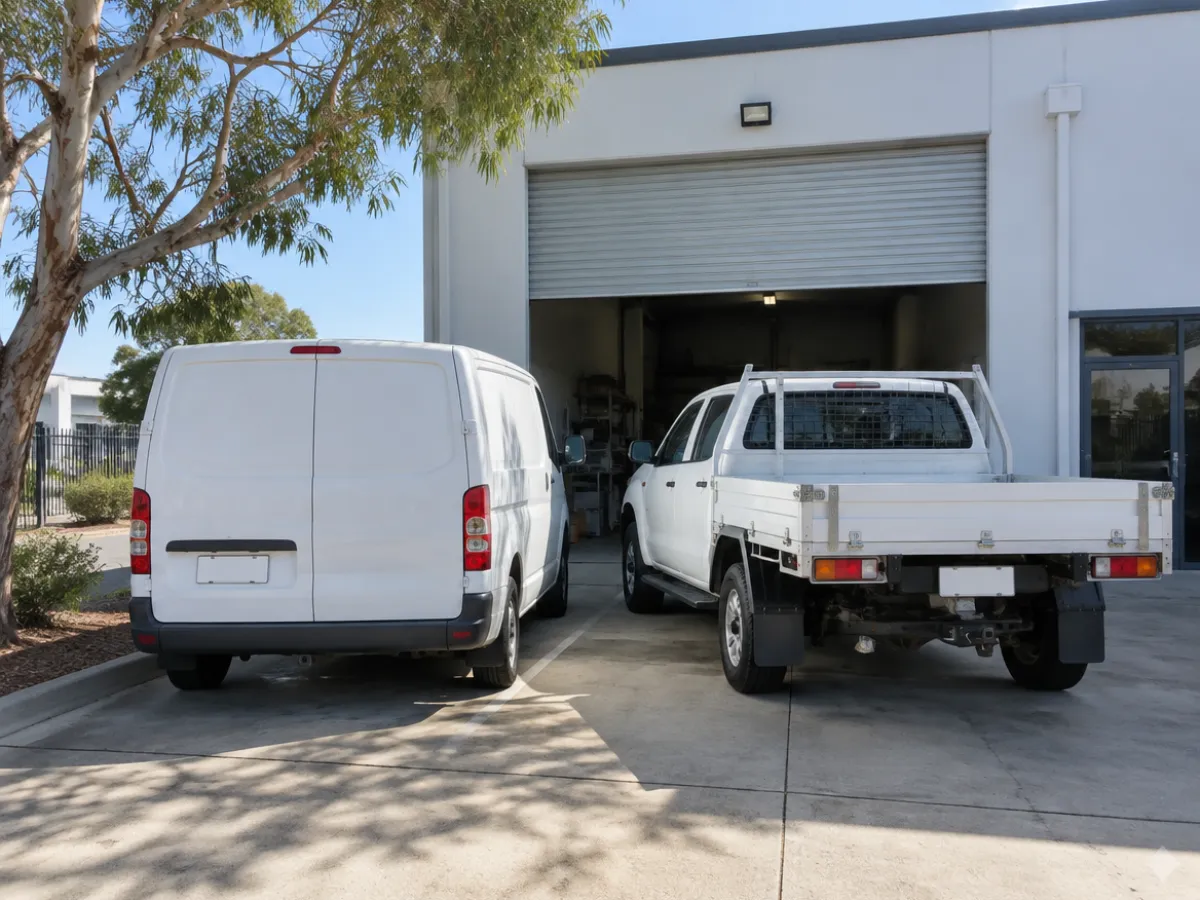
Often. Many lenders can pre-approve you before you've picked the vehicle, so you can negotiate with the dealer or seller like a cash buyer. The approval is finalised once the invoice or sale details are in, so the invoice tips above still apply. Buying a work ute? Our ute finance page covers fit-outs, canopies and mine-spec gear on the same loan. For cars, SUVs and vans, see business car loans.
The biggest delay of all is applying on low doc, being declined and starting again. Low doc suits established ABN holders, usually with about 2 years of ABN, GST registration and property or a deposit. If your ABN or GST is newer, you don't own property and have no deposit, or the amount is large, lite doc (BAS or bank statements) or full doc (tax returns or financials) may fit better. We work out which option suits before anything goes to a lender.
Choosing low doc doesn't mean paying more. Rates depend on the lender and your profile; low doc is often priced the same as full doc for established businesses. We'll explain any fees before you go ahead.
Illustrative scenario based on common enquiries, not a specific client.
A Perth plumber trading as a sole trader, ABN 5 years and GST-registered for 4, who owns his home, wanted a used dual-cab with a canopy from a dealer for around $58,000. He fitted the lenders' low doc criteria, so the lender relied on his ID, the application with his declared income, and an assets and liabilities statement. He didn't need full financials or tax returns. Two things would have held it up: his licence still showed his old address, and the dealer's first invoice didn't list the canopy or the VIN. He updated the address on his licence, the dealer reissued the invoice with the canopy itemised, and the file went to the lender complete.
Your ID, the finance application with your declaration of your business income, and sometimes an assets and liabilities statement. You don't need full business financials or tax returns. The lender also needs the vehicle details, such as the dealer's tax invoice or the private seller's details.
Straightforward applications can be decided the same day; others take a day or two, and longer if the lender has questions. Approval always depends on the lender's assessment. A complete file with matching ID, ABN and invoice details avoids most delays.
No. Low doc relies on your ID and your declaration of income, subject to the lender's criteria. BAS or business bank statements are used for lite doc (also called easy doc or mid doc), which suits businesses that don't meet low doc criteria.
Usually not. Each application can leave an enquiry on your credit file, and several in a short time can make lenders more cautious. A broker compares 40+ lenders and applies once, to the lender that fits.
Often, yes. Many lenders can pre-approve you so you can negotiate like a cash buyer. The approval is finalised once the invoice or sale details are in, so make sure they are complete and in the borrower's name.
Not necessarily. Rates depend on the lender and your profile; low doc is often priced the same as full doc for established businesses. We'll explain any fees before you go ahead.
Get a free quote: tell us the vehicle and your ABN details and a Perth broker will compare 40+ lenders for you. No impact on your credit score to get a quote.
Greenside Finance Pty Ltd (ABN 76 678 053 122) is an Authorised Credit Representative (#561052) of Fintelligence Pty Ltd, Australian Credit Licence #511803. Information is general and doesn't consider your objectives, financial situation or needs. All finance is subject to lender approval, terms, conditions and fees.